The short of it is this: in 2026 the Red Centre will put on a display of what one would call classic desert climate. You are looking at cold winter nights, some mildness in the shoulder seasons, wide temperature differentials from day to night and the kind of heat in summer that is no joke. There is one thing to factor into your plans though, the rainfall of February and March 2026 has had an effect in Central Australia / Red Centre. Some areas are greener than most make allowances for, but it also means you have to be on your guard for localised flash flooding, track closures or other road trouble after any follow-up rain.
For a trip to Kings Canyon, Alice Springs or Uluru, late autumn through early spring is by and large the most agreeable time to be out, say May to September. April and October are fine as long as you can put up with a warm afternoon. You might want to check the recommended Uluru visit times. Thalia Harris would caution against too much romance of the outback at the expense of a hat, extra water and a modicum of humility. The Red Centre gives plenty but is indifferent to a dead phone battery.
A Quick Look at the Climate
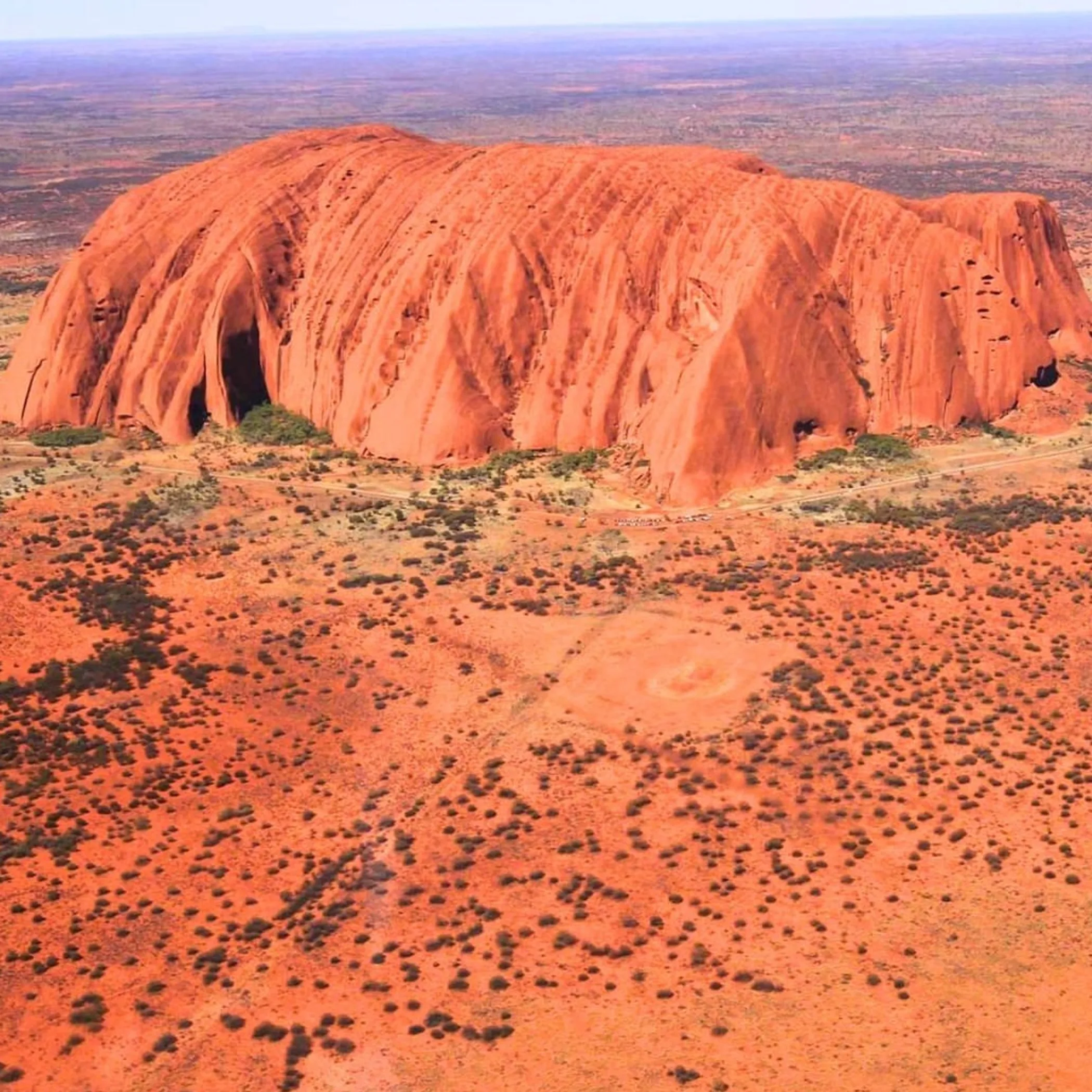
In 2026 the weather here abides by the rules of the arid interior for the most part, yet the ground level reality has been altered by this year’s green spell. It is something to consider when it comes to photos and walks and the like; you may come in with the idea of a bone dry, rust-red expanse and be met with softer light and the odd muddy patch where you thought there would be dust.
Then there is the matter of hard sun, dry air and the sheer distances which are more apt to get the better of you than the maximum on the forecast. Add in high evaporation and low rainfall and the numbers do not tell the whole story of how harsh it feels.
The Numbers Put In Perspective
Being in a hot desert or semi-arid zone is what Uluru, Alice Springs and Kings Canyon are. Come summer you can see days top 40°C, and in exposed parts of the inland a winter morning will be 0°C or under. Dehydration is a quiet thing in these milder months when UV is at its strongest and there is little shade to be had.
| Location | Typical Summer Max | Winter Day Max | Winter Night Min | Main Trait |
| Uluru | 36–40°C+ | 19–23°C | 4–8°C | Exposed walking, dry heat |
| Alice Springs | 35–39°C+ | 18–22°C | 1–5°C | Colder mornings, greater swings |
| Kings Canyon | 34–38°C+ | 17–22°C | 2–6°C | Rim walks demand heat management |
Take them as baselines for your planning, not as any sort of guarantee. Wind, cloud or a heat event can turn things on a dime. For warnings and the latest from the Bureau Of Meteorology, have a look before you set off to hike or book a dawn slot.
Seasonal Breakdown
This guide should make the job of planning a little simpler. Every season brings with it a change in how busy the sites are, the quality of your photographs and whether a road trip is smooth or rough as guts.
Thalia Harris knows from years in hospitality that a single delayed transfer is enough to ruin a day, and has the respect for the weather to reflect that. Out here you do not argue with the sun; the distances and paucity of services mean timing is everything.
Summer
Many find December to February to be trying. The heat is unrelenting and by mid-morning it is unsafe to be hiking in Central Australia. You might be on a sealed road but it is more survival than sightseeing. Make of your one day what you can with a sunrise and some culture then head for a pool or indoors. If you are not used to the heat, leave the ambitious walking for another time. One sees it made a mistake of constantly; people will put in for a trail because the distance is short and think it easy. They are wrong, it is the exposure that counts.
Autumn
From March to May the Red Centre is inclined to be more accommodating. Nights will cool and the days are less of a trial. After a bit of rain the country can put on a show of greens and seem all the more generous for it.
Travellers wanting the warmth without the bite of deep winter cold will find April and May the best of times for a 2026 visit to Uluru. A road trip is better handled in those months as well, you can be out of the car past lunch without being cooked.
Winter Clarity
You will find the most comfort for a day out in the field between June and August, when afternoons are cool to mild and mornings have a crispness about them, if not outright cold. Winter makes for fine longer walks, desert skies and some good dawn photography; it is just that folk have a habit of not packing enough for the chill of a desert night.
Then there is the matter of expectation and reality. One has an idea of the outback as perpetually hot and is left at sunrise with nothing but a thin jumper on, chattering one’s teeth and asking why gloves were not put in the bag. Winter is a lovely time, do not get the wrong impression, but it is not soft.
Spring Balance
The season from September through November has a way of beginning well before turning sharply warmer. In early spring the conditions are amenable to drivers and walkers alike, but by late spring you can be in for some serious heat, in the vicinity of Kings Canyon or Uluru where the shade is patchy and the ground radiates it back at you.
September is the sweet spot for a lot of travellers. October is no problem provided you put in the miles early and hydrate, rather than trying to fit in a long drive and an exposed walk in one day.
A Month By Month Guide
Vague seasonal advice does not serve you as well as planning month by month. An early April trip is a different proposition to a late May one. While the 2026 temperature pattern in the Red Centre is as predictable as ever, one can lose comfort quickly at the turn of a season.
What follows is a table for the practicalities of a trip, not to be had over weather nerd points. It gives you an indication of how the numbers feel when you are beside a hire car with warm tyres and a crosswind, or lugging water and waiting for the sun to go down.
| Month | Typical Feel | Likely Day Range | Trip Notes |
| January | Very hot, draining | 37–41°C+ | Most will limit themselves to short outings at dawn |
| February | Very hot, storm risk | 35–40°C+ | Be on the lookout for closures and the like from heavy rain |
| March | Hot yet easing | 32–37°C | Rain may have put some colour in the landscape |
| April | Warm and of a more comfortable nature | 27–32°C | For a bit of sightseeing and walking |
| May | Pleasant days, nights are cool | 22–28°C | A top all-round month |
| June | Mild in the day, cold to start | 19–24°C | Put on some layers, the walking is good |
| July | Coolest of the year | 18–23°C | Fine days but a very cold dawn |
| August | Crisp, clear | 20–25°C | Hiking and touring are well catered for |
| September | A warm balance | 24–29°C | Suits the majority |
| October | The heat returns | 28–34°C | Make an early start of it |
| November | Exposed and hot | 32–38°C | More suited to scenic touring than any lengthy walk |
| December | Summer in full force | 35–40°C+ | Work with the heat |
When the Rain Alters Things
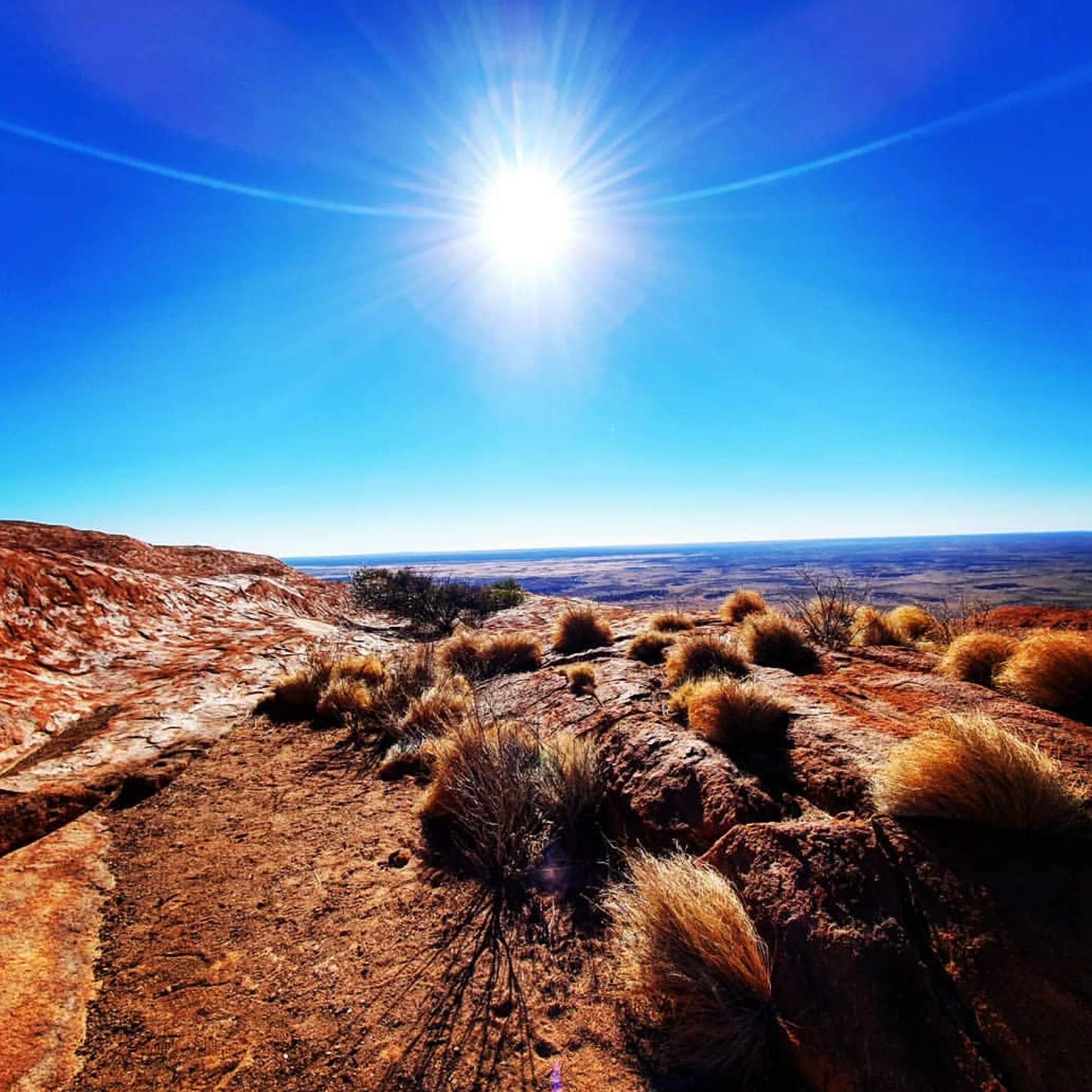
In the Red Centre climate of 2026 the subject of conversation has been the rainfall of late summer, February and March in particular. Some heavier episodes have given the ground cover a green tinge and put temporary water in places, and for once you get the sense the desert has drawn a breath.
Many would not expect to see Central Australia in this form. It is beautiful, true, but it has its effect on your timing, driving and access. You can have a green Red Centre that is as much a logistical headache as a boon in the space of a week.
The Green Side of It
Uluru, Alice Springs and the country round Kings Canyon have a softer, more layered look after a fall of rain, with better contrast in the light at either end of the day. Look at the satellite imagery from sources such as NASA Earth Observatory and you will see the drama of it.
Do not be taken in by it though. Green does not equate to easy roads or harmless creeks or cool temperatures. A decent rain can mean boggy shoulders, mozzies, localised water on the road and tours called off at short notice.
On Flash Flooding
People hear “flash flooding” and put it in the “not my problem” file. That is a mistake. In the arid interior a hard burst can run fast across a low crossing and the situation can be unrecognisable a few kilometres down the road. Part of being safe on a road trip in 2026 is to check the forecast on the day and not only when you were packing. And if a ranger or operator says to hold up, you do so. There is no photo worth putting a hire car in floodwater to prove a point.
Getting the Timing Right at Uluru
Even if you come in via questions about the Alice Springs climate 2026, in the end what matters to the traveller is the Uluru weather 2026. Understandable, as Uluru is the emotional heart of the trip and the weather will determine whether you have a meaningful time of it outdoors or are making a grim shuffle from one air-conditioned room to another.
The broad answer is to plan for May to September, with April and October as dependable shoulder seasons. If you want to keep the heat stress down and have a decent night’s sleep and some comfort on your walks and cultural tours, that is where you will be best placed.
The Best of the Year
For the majority of travellers, a trip in May through September will afford the best mix of access and comfort. You can put in a longer viewing walk without it being a chore, and the sun is more amiable at dawn and dusk for your daytime touring.
Then there are those who like their weather warm but not oppressive; make it a point to go in May or September. Cooler hiking is to be had from June to August, provided you have no qualms with a cold start in the morning.
When to Steer Clear of the Heat
Summer is no good for the heat-sensitive, particularly older folk, nor for families with small children or anyone set on cramming a number of outdoor pursuits into a single day. First time outback drivers would do well to stay away too, as they have a way of underestimating how tiring it can be.
Should you be at Ayers Rock Resort in the height of the heat, plan on some indoor respite and shorter excursions. The resort has its comforts but that does not alter what you will find on the road or at the rock itself.
Matters of Weather
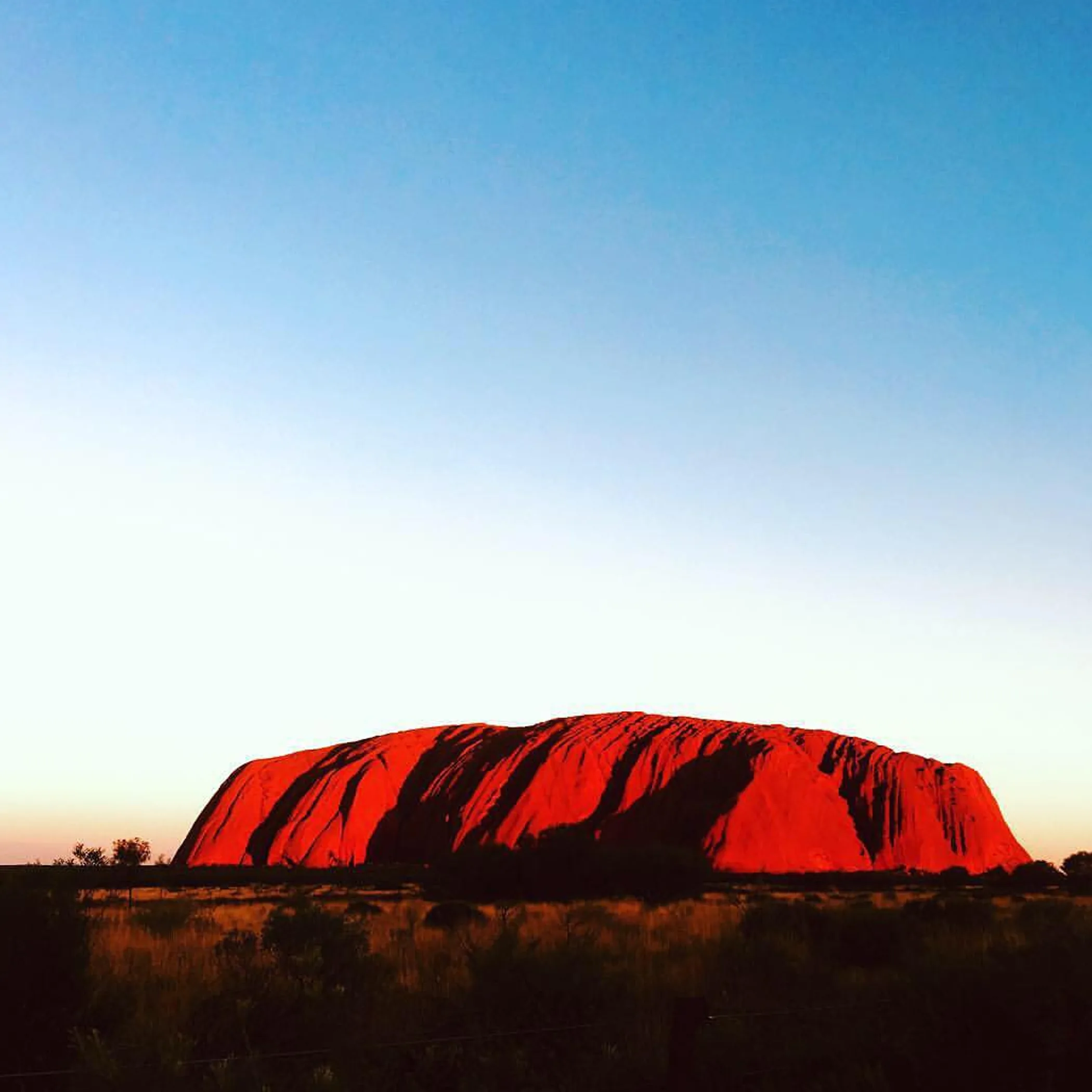
One could argue the Red Centre is as much about the weather as any brochure would have you believe. A given track may be fine in July but in January it is simply unwise to be on it, come September it is another story altogether. Thalia Harris calls it the distinction between travel fantasy and travel admin: one produces a postcard, the other sees you home intact.
Walking and Hiking
Fitness, the angle of the sun and temperature dictate what you can do on an open lookout or the rim of Kings Canyon and the base of Uluru. Beginners should think twice about Kings Canyon when it is hot; the ascent is exposed and an error early on will cost you in water and effort to recover from later.
Be realistic with your timing. What was meant to be a short sunrise walk will elongate once you factor in parking, the need for the right light for a photo, and the fact that not all in your party are bushwalkers with a purpose. Leave some margin.
Getting Around by Road and Rail
Flights to Yulara or Alice Springs are the norm before most people set off on a self-drive or coach tour, or link up with The Ghan for something more extensive. The 450 km drive from Alice to Uluru is deceptively slow; the Stuart and Lasseter Highways are sealed and simple enough but wildlife and fatigue get to you. And in these parts fuel and a basic meal will set you back more than a city dweller is used to, so be generous with the budget, do not act as though you are in suburban Perth.
Packing Sense
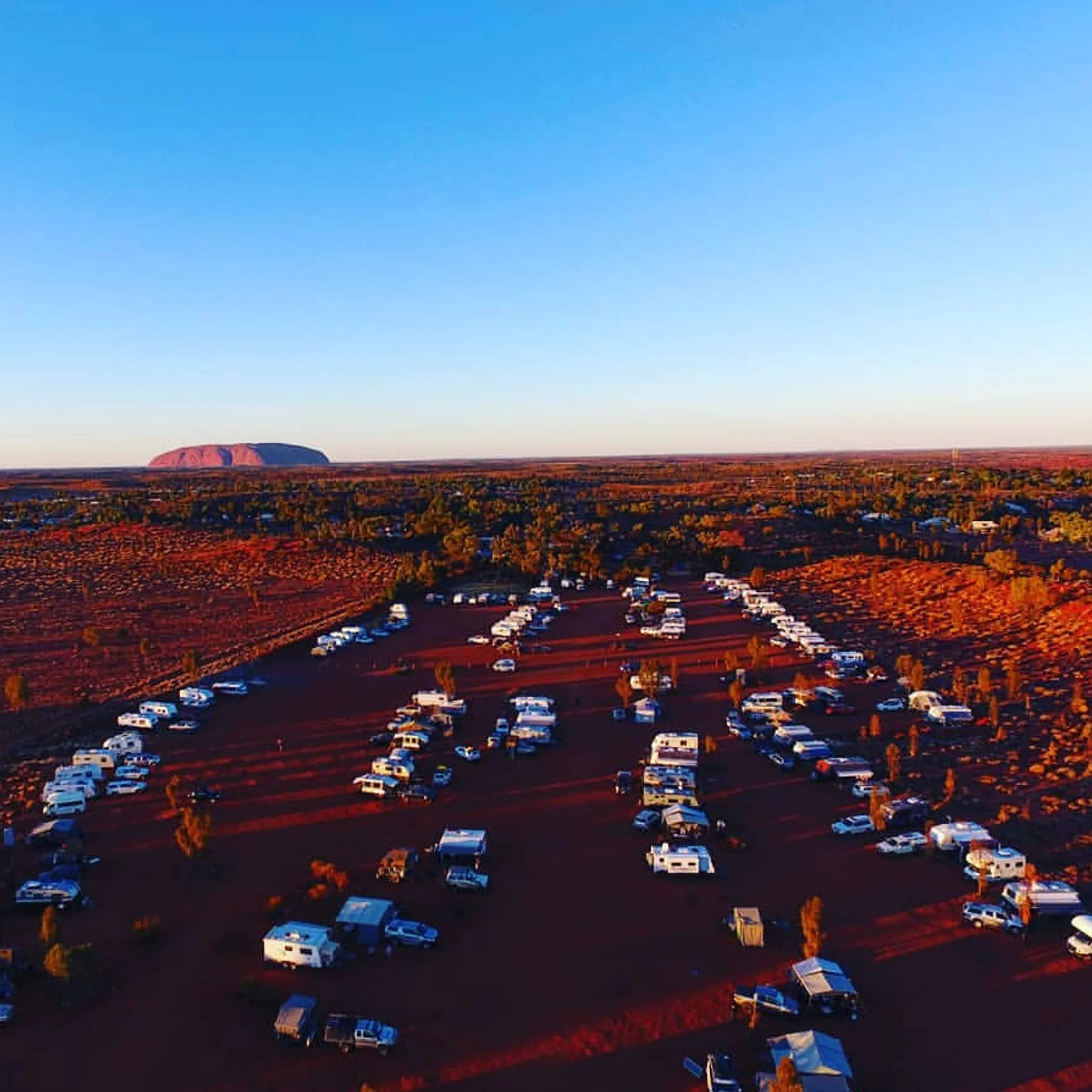
You will not be miserable if you pack intelligently for Uluru, which is more important than style. The Red Centre is for the practical sort: a water bottle you can be bothered to take with you, layers for after dark and decent sun protection.
People tend to pack for the photograph and overlook what the morning is really like. There is little desert glamour when your ears are numb and dust has found its way into your shoes.
- Wide-brim hat, sunglasses and high-SPF sunscreen
- At least 1–2 litres of water per person for short outings, more for longer walks depending on conditions
- Light long sleeves for sun, plus a warm layer for dawn and night
- Closed walking shoes with grip, not flimsy sandals
- Lip balm, electrolytes and a small first-aid kit
- Phone charger, downloaded maps and a torch for pre-dawn starts
Daily Planning and Roads
Logistics and weather are equal partners in any Red Centre itinerary. Operational or rain conditions can put a different complexion on park access or tour times, so build in some flexibility.
A day at Uluru should not be overdone. Pick a sunrise or sunset, a cultural experience and a walk you can handle. To try and rush through it all is to see a lot and enjoy none of it.
Ways to Get There
Flying in to Yulara to see Uluru or to Alice Springs for a Central Australia road trip is the simplest option. The self-drive option is for the confident regional driver. Then there is coach touring, which has its appeal for a visitor who would rather not be calculating distances or fuel and wondering if some road train is going to appear in the mirror like an apartment block on the move.
You will have no trouble finding parking at Uluru’s main viewing spots as a rule, though in peak months the sunrise and sunset times make for a busy scene. Make it a point to put in an appearance earlier than you might think necessary, come winter or school holidays.
Costs In Real Terms
Remote travel does not come cheap and what you can expect to pay will differ considerably with the season and how far in advance you have booked. A flight to Yulara will often cost more than one from a major city; you are looking at mid-range to premium accommodation in the vicinity of Uluru and the sort of inland markup on food that is par for the course in a resort this far out.
Put aside sufficient budget for fuel, park fees and the odd paid tour when you put together an itinerary for Uluru, Kings Canyon and Alice Springs, and leave some room for weather. A plan that looks economical on paper has a way of turning out the most expensive if you are made to rush about on account of bad timing.
Where To Check Conditions
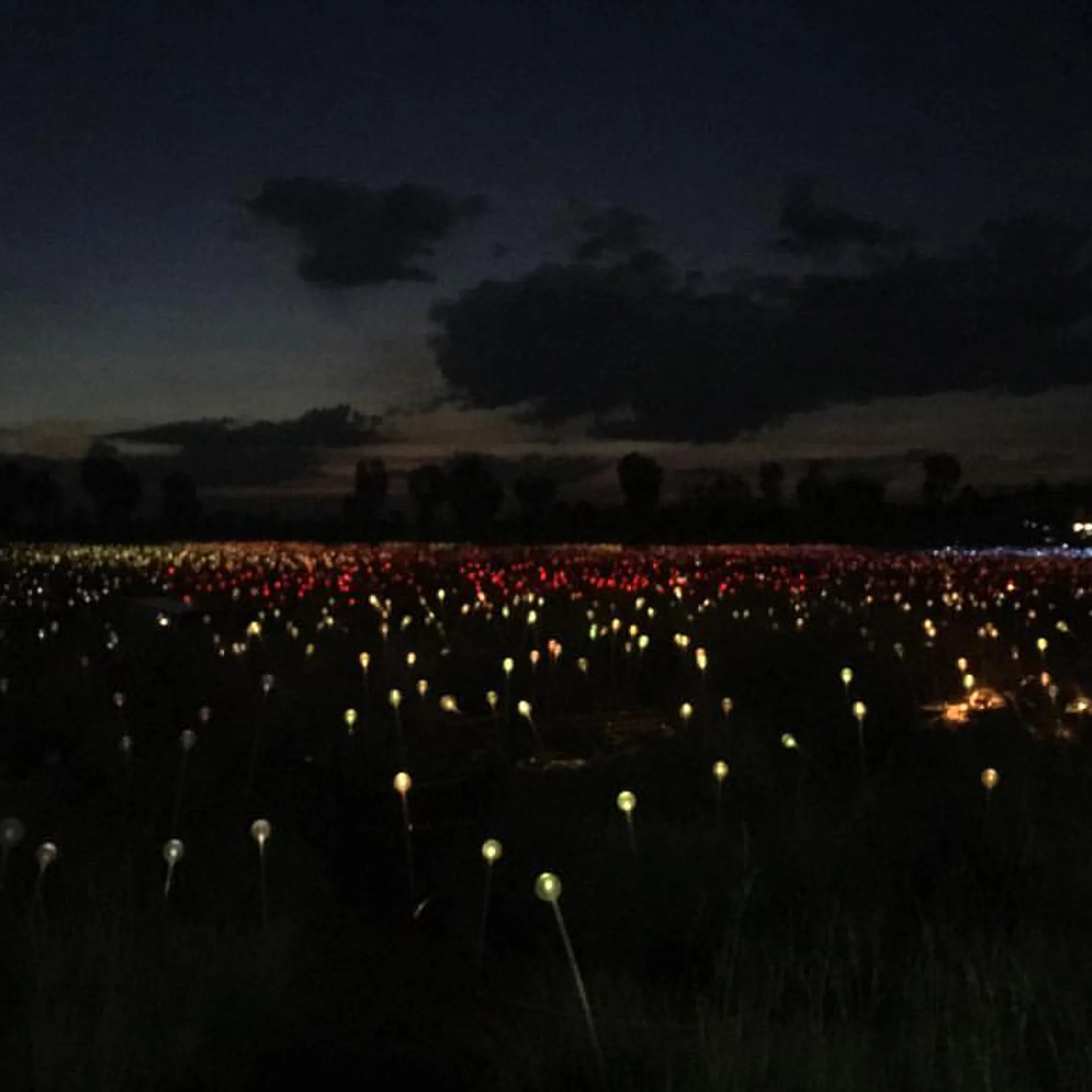
One should consult both official and local sources for the state of things. The 2026 seasonal outlook is fine for getting a feel for the patterns but your safety is contingent on what is transpiring in the park and on the road at the time of your activity.
A well planned day will see you look at BOM figures, any park alerts, your operator and the desk at your hotel all in one go. Tourism Australia has some good advice for the general run of trip planning yet live conditions are preferable to any polished copy. The routine is best kept simple: check the forecast and warnings and the status of the road, then put a question to someone on the ground when you get there. In the bush a sensible query can do away with hours and a measure of foolish confidence, not to mention save money.
Thalia Harris has the last word
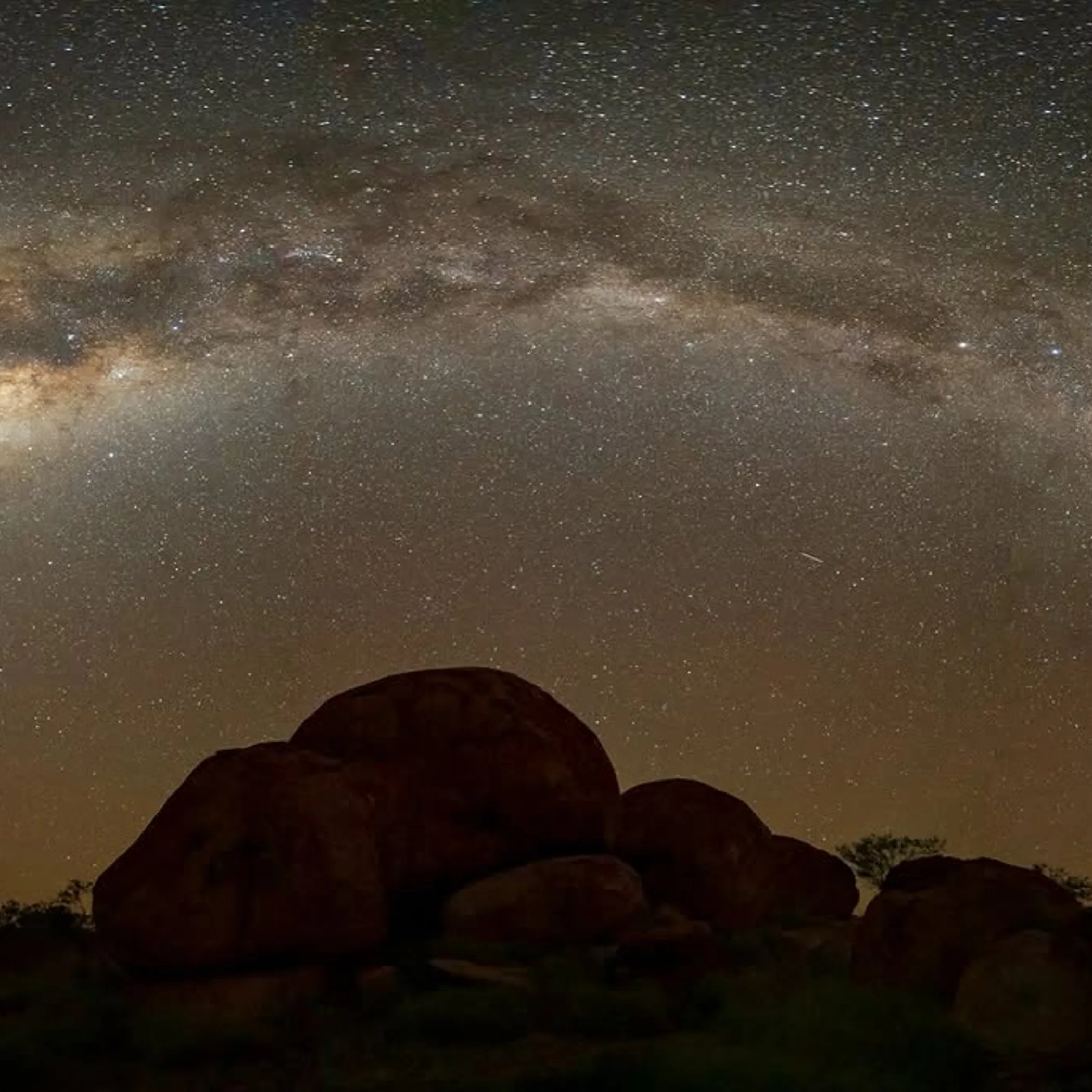
To put it briefly, the Red Centre Australia climate guide 2026 would have you in the field from late autumn through the winter and into early spring, say May to September, for the most part. A determined traveller can make summer work but only by accommodating the heat and not under the delusion that a bottle of water and good cheer will suffice.
There is nothing hard about the Red Centre because of the drama; it is the deceptively calm, flat expanses that give one the impression it is all very manageable until the conditions put you right. Be prepared and let the country dictate the pace.
FAQ
Will it be hot in Australia this summer?
In the Red Centre you can expect summer 2026 to be as hot as the normal inland heat dictates, with recent rain adding a touch of humidity and complicating matters on the road from time to time. For outdoor pursuits in and around Uluru or Alice Springs we would confine them to the later afternoon or first thing in the morning.
When is the ideal month for Uluru?
May tends to be the one for most, offering a good mix of warm days and cooler nights for touring. Or September if you like your mornings a degree warmer. It is up to you whether you want to avoid a cold dawn or fit in with the school holidays for your 2026 visit.
Is extreme heat going to make Australia uninhabitable?
Not a sensible premise on which to base your plans for the Red Centre. While there is a risk of extreme heat in the inland summer, the matter for the traveller is to keep on top of the weather and manage your exposure and hydration, not to write off the country altogether.
Expecting a cold winter in 2026?
Central Australia sees cold nights in the desert around Alice Springs and Uluru in any case, with mild enough days. As to whether 2026 will be below average overall you will have to wait for the BOM to update their forecasts nearer the time.
Any chance of rain putting a damper on a Red Centre trip?
Hardly. The greens after a fall of rain are quite something but flash flooding and track problems are a possibility and may mean a temporary closure. Have a flexible itinerary and you will be fine; stick too rigidly to a plan and you will find yourself at an impasse.
