You could say Infection Control Standards Skin Penetration Australia is a dry subject. But for the tattooist, piercer or anyone putting needle to skin in the way of cosmetic tattooing, electrolysis or skin needling, it is what protects the client and keeps the business from any difficulty. When working in Australia, it’s crucial to follow the Australian PMU safety rules. Put simply, an operator in Australia has to abide by the public health regulations of his state or territory, put in place sound infection prevention, be on top of waste and sharps management, keep the premises in order and satisfy the training and competency demands of local councils and the industry.
Thalia Harris has been in treatment rooms and salons long enough to see where people make mistakes. It is not the logo on the door or some expensive piece of kit. The trouble is found in the unassuming details: no record of sterilisation, a lack of proper handwashing, the wrong disinfectant for the job, or staff with the notion that gloves are a panacea. They are not. There is little glamour in good infection control, only discipline; as it should be.
What These Standards Cover
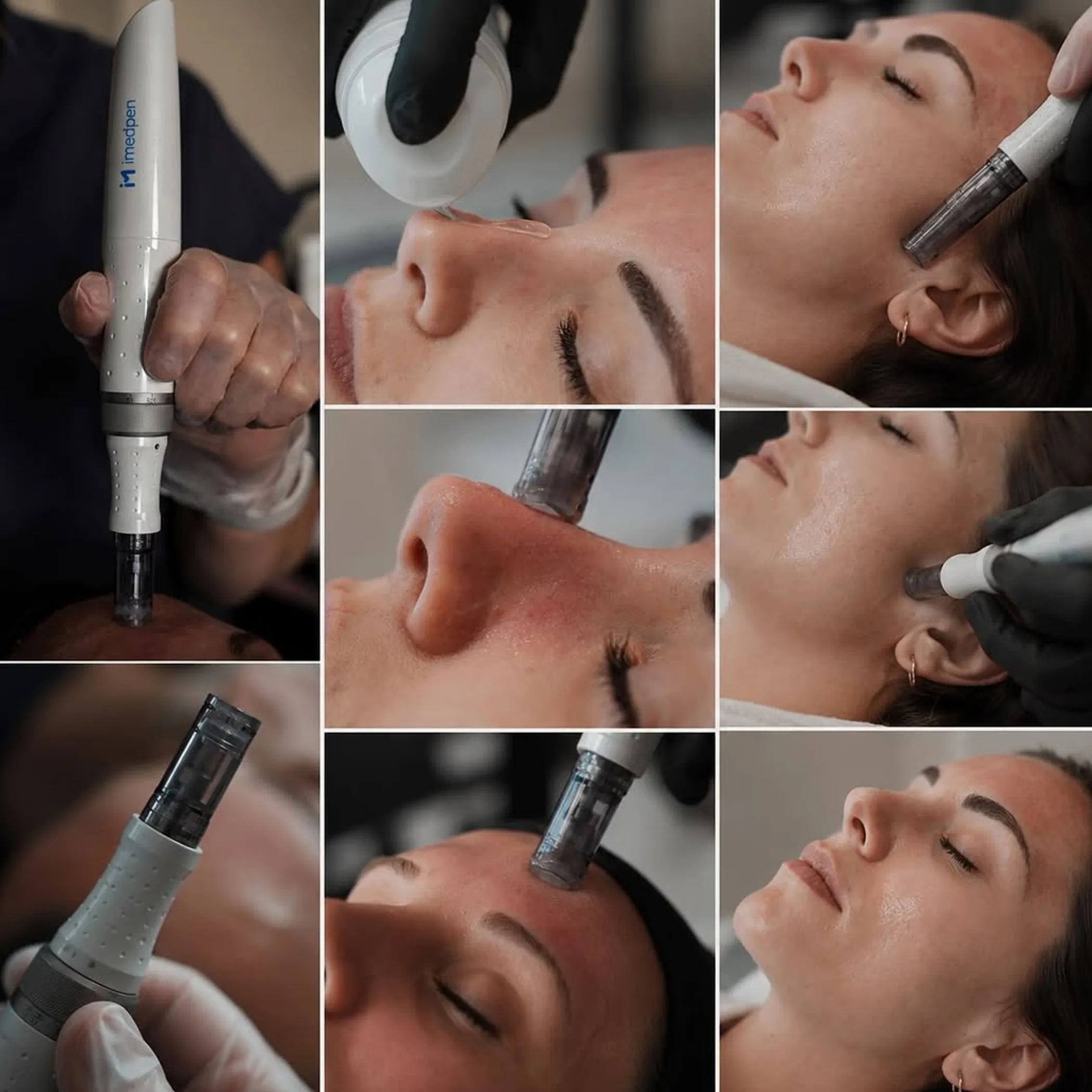
To make sense of infection control standards skin penetration Australia one has to appreciate they are put in place to head off infection at every stage of a procedure that cuts or pierces. Their purpose is to stem the transmission of bloodborne viruses and bacterial infections, to stop cross-contamination of equipment, surfaces and the like.
On the ground, skin penetration infection control Australia is concerned with PPE, aseptic technique, reprocessing, sterile gear, surface disinfection, how you handle waste and sharps in Australia and so on. The expectation does not change whether you are a big studio or an individual working on brows in a corner; break the skin and you must have the risk under control.
Which Procedures Are Included
Tattooing, body piercing, acupuncture, skin needling, micropigmentation of a certain kind, electrolysis … these are all skin penetration, though definitions can differ from one jurisdiction to another. Some in the beauty trade get muddled when a service has a medical air about it but is in fact cosmetic. My advice is to check your local rules before you put up an ad or treat a customer if there is any doubt.
Who Is Accountable
Do not think this is just for the one with the needle in hand. Employers, owners, sole traders and mobile operators, and in some instances landlords, are all answerable. Managers of personal appearance services have their part to play too. If you employ the staff or run the show you share in the compliance risk.
There is a misconception that the rules are for tattoo parlours alone. In fact, obligations for infection control will reach into day spas, mixed-use clinics and beauty rooms. One sees an operator put thousands into the décor and nary a thought into the workflow; it is the equivalent of a fine front door while the dunny is running over in the back.
Operators, Mobile And Premises
With a fixed site the layout is open to closer examination. You have to give consideration to reprocessing, storage, zoning of treatments, segregation of waste and having surfaces that can be cleaned. For those running a mobile or event operation the practicalities can be more trying since there is no fully equipped site to fall back on. Yet the rules are no less strict for a fold-out table and wheels.
The Essentials of Safety
Any skin penetration guidelines Australia worth its salt requires systems that are in force on an everyday basis, not merely when an inspector is around. What is the point of well-written policies if single-use disposables are put to work again to put a few dollars in the till or hand hygiene is forsaken in the rush?
According to Thalia Harris the best treatment room is not necessarily the most opulent. You want one where the flow is logical, clean stock is put out of harm’s way and used instruments do not come back through the same door as the clean ones.
Reprocessing and Sterile Tools
It is a matter of principle with tattooing and piercing: at the time of use, anything going into the skin has to be sterile. Open a fresh single-use item for the client and be done with it. Reusables are to be put through validated equipment after being cleaned and packaged, then put away in such a way as to preserve their sterility. State health guidance and Australian Standards will tell you what is meant by “proper”. One is tempted to think a benchtop unit of itself is all that is needed for compliance, but that is a trap. It is not. Proper sterilisation is called into question if one can not get a reusable item clean beforehand; hence the importance of having reprocessing systems on paper.
Hand Hygiene And Protective Gear
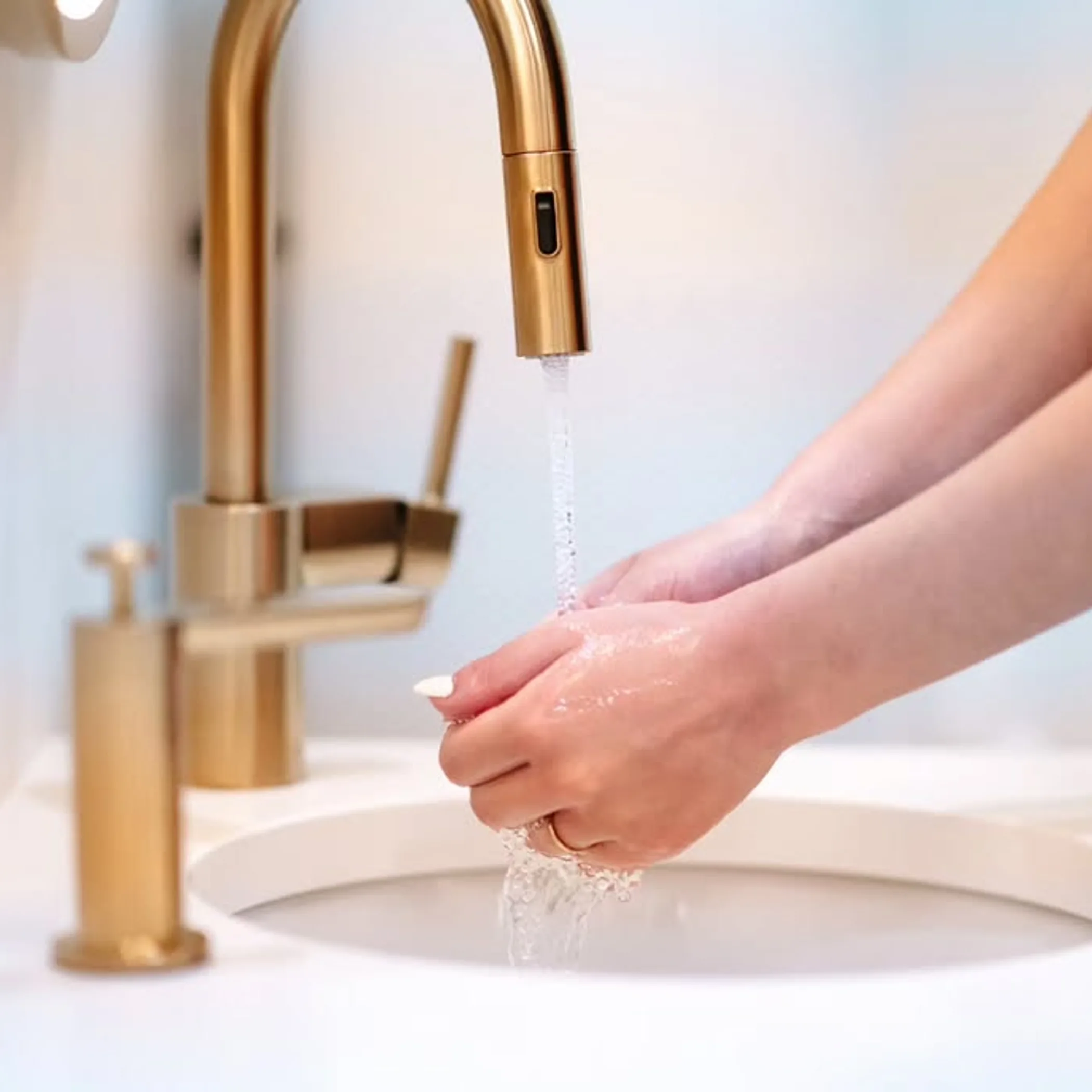
There is no room for compromise on hand hygiene. Local regulations will dictate when operators require warm running water and soap with a single-use means of drying, and they must have it. An alcohol hand rub has its place in good practice yet it is no substitute for a wash if hands are soiled or the local guidance calls for it.
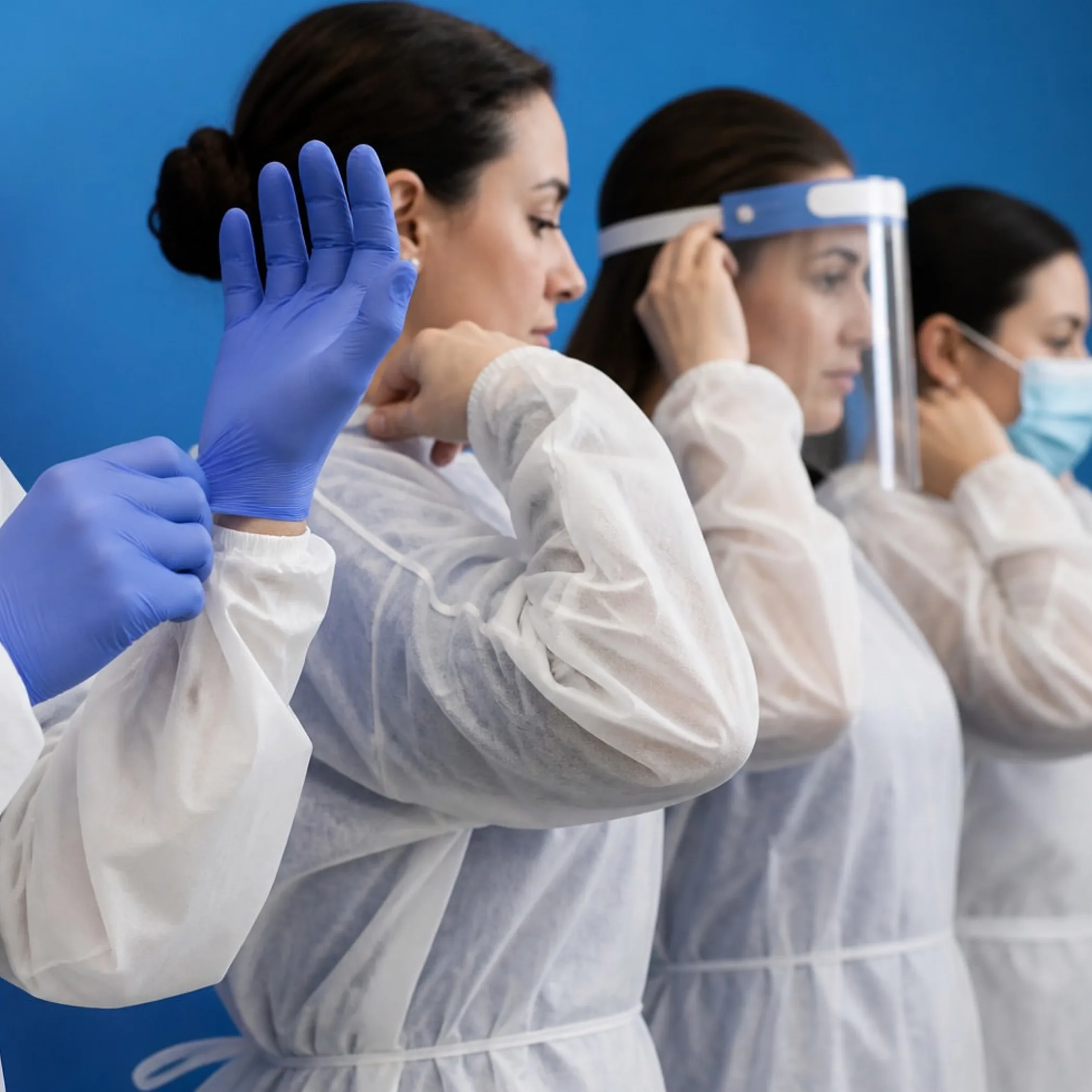
As for PPE, one would expect gloves fit for the job and, should there be a risk of exposure or splash, an apron, mask or eye protection. Gloves do not work any magic and I have seen the overconfidence in their use more than once. Put the same pair on to handle the tap, trolley drawer, your phone and then the client and you are as good as a road train hauling mud through a car park in spreading contamination.
Skin Prep And Work Areas
An appropriate disinfectant is to be used on the skin in keeping with the procedure and the guidance. High-touch areas such as treatment beds, trays and machines, along with benches, are to be disinfected from one client to the next and be of a smooth, impervious nature for easy cleaning. A room with carpet and fabric, clutter or open food and drink is bad form at best and can put safe practice at risk.
| Area | Minimum Good Practice | What Often Goes Wrong |
| Equipment | Sterile equipment or reusables that have been sterilised | Single-use items put back in service or badly stored |
| Hands | Wash before and after every client, wear gloves as necessary | Relying on gloves instead of washing |
| Premises | A clear workflow between clean and dirty, surfaces that can be cleaned | Cross-contamination and a messy bench |
| Client Prep | Aseptic technique and the right skin disinfectant | Preparing in a hurry and going back to touch the skin |
| Waste | Safe clinical waste processes and a sharps container | Overfull sharps units or a make-shift bin |
Sharps And Waste Rules
Regulators are quite practical in this regard and for good reason. Any needle or blade that has come into contact with blood or other body substances has to be put away and disposed of in a safe manner. There are no clever ways around it.
In Australia the rules for sharps disposal will have you using an approved container at hand rather than something on a shelf three metres off. An unlabelled or full container is an issue. Recapping is an old habit that should be long gone.
Safe Disposal Basics
After use, put your sharps straight into a compliant container. Other waste that is contaminated is to be put aside and disposed of as per state, territory and local requirements. It is up to staff to know what constitutes regulated or clinical waste in their jurisdiction and who is to collect it.
For a new business owner it is better to put some budget aside for these ongoing costs than to leave them to chance. Metro Australia will see different pricing from contractors for sharps and clinical waste services, but it is a recurring expense. An environmental health officer will spot an amateur in a hurry if one skimps on it.
Training That Actually Matters
You will want a national answer on training but Australia is something of a patchwork. HLTINF005 and SHBBINF002 infection control units are much talked about in skin penetration training, beauty and personal services notwithstanding, but acceptance is down to the role, the state or territory and the service provided.
My advice is not to go for a course on the strength of a familiar name. See what your insurer, health department and council (or landlord) call for. The internet is full of talk of Australian PMU safety rules but an operator has to ensure the course is in line with the letter of the law.
HLTINF005 And SHBBINF002
These two are frequently put forward as evidence of a grounding in infection control, standard precautions and the like. Yet for higher-risk work like tattooing or piercing, simply having done a unit may not meet all the registration or licensing criteria, particularly if the local council has additional stipulations.
Then there are those with an outdated certificate of no real use in the workplace. Training ought to be current and of relevance to what is being done and supported by the systems in place. A certificate in a frame does not make up for an absence of a steriliser log or a cleaning schedule, or not knowing how to react to a sharps injury.
Council And Licensing Steps
With local council registration for skin penetration services the theory is put to paper in the form of inspections, fit-out costs and the like. In certain Australian locales one will not be allowed to trade without first registering or notifying the council; elsewhere the onus is on public health or wider local government to grant approval.
Should you have a day at best to put your setup plan in order, make this section your priority. A word with the environmental health team at your council before you are out fitting out a room or have put pen to a lease can put months of backtracking behind you. It is easy to think little of where the sink goes or the space for sterilisation and waste storage, but once there are walls in place these matters have a cost.
Before you open, get in touch with the council or health authority to see if the operator, the premises or both need to be registered or approved. Put some questions to them on what is called for in terms of floorplans, ventilation, cleaning and so forth. See if an Environmental Health Officer will want to make an inspection of the premises ahead of time. And be sure you know what is expected by way of documentation for staff training, incidents and the rest.
Setup Costs
Any single figure would be disingenuous given how much costs can differ from state to state and according to the type of service and premises. But operators as a rule have to put aside money for the fit-out, PPE, handwashing facilities, sterile stock, sharps containers, a waste contract, council fees, training and perhaps an autoclave with its attendant testing and maintenance. One does not budget for furniture and branding at the expense of compliance. That is akin to a café owner putting in linen napkins and then finding the fridge is no good.
Rules Vary by State
Australia has no national licence for all skin penetration work. The rules are to be found in legislation and guidance at the state and territory level, under public health directions and local law. Hence why requirements in Victoria, Queensland, South Australia or Western Australia are not the same as those in NSW.
One should consult the latest from the various state health departments (NSW, Victorian, Queensland, SA and WA) and any council guidance. New South Wales has the Public Health Act 2010 as a point of reference for regulated activities and public health risk, though operational guidance must also be heeded. The information page on skin penetration from NSW Health skin penetration information page is a sound place to begin, with obligations set out plainly. Do not take any article, this included, as gospel without checking the current local position; official requirements have a way of changing.
What You Will Find
The differences between states tend to manifest in the registration process, the language used, how an inspector goes about his business and what is deemed acceptable proof of competency. A council here may insist on detailed plans, while over there the emphasis is on the operator’s declarations and the inspection itself. In spirit the principles are national, but the paperwork makes it seem every jurisdiction has done things their own way.
Matters of Record
Then there are the inspections. An Environmental Health Officer will be looking at hygiene, infrastructure, reprocessing and records. If your systems are only effective under observation they are of no use. Proper documentation is due diligence and a safeguard against error. I have seen operators not give enough credit to the comfort of having your records in order when things are tense. A logbook will serve you better than a smile at the reception desk when an inspector arrives unannounced or a client puts you on the spot.
Among the records you should have are those for staff training, cleaning and steriliser cycles, maintenance, validation, waste collection, incidents and any sharps injuries. Stock control for disposables and your council papers too. With reusable equipment the importance of documenting cleaning and sterilisation cannot be overstated.
It is an illusion many have that an inspector is there for the more dramatic failures. An inspector will be the first to spot the minor things: a crack in the surface, clean and dirty items not put to one side, labels that are not there, an empty soap dispenser or a treatment room being made into storage. Most would have overlooked them, thinking of compliance as some grand rule rather than a matter of fifty small habits.
Practical Checklist And Resources
For the most workable approach, make your workflow about controlling contamination, not convenience. Even on a Saturday when it is at its busiest, the phone will not stop and you have a staff member flustered over lunch cover, the room must be conducive to good practice. Safe systems are tested then.
We have put together this guide for the salon owner, PMU artist, tattooist, piercer, spa manager or sole trader who is in the process of setting up or has cause to review his compliance. But an operator with higher risk procedures would do well to have the local council’s say so, or departmental guidance, as this is not a substitute for legal advice. Should the service be anything but routine, or not for beginners, seek out some direct counsel before putting hands on a client.
- Determine if what you do is considered skin penetration in your state or territory.
- See what the local council has by way of registration or notification for the premises.
- Have your handwashing in order and a clean-to-dirty flow.
- Employ sterile equipment and an aseptic technique; single-use items are never to be put back in use.
- Stock PPE, a compliant sharps container and the right cleaning products and disinfectant.
- Put in place the relevant training for your people, be it HLTINF005 or SHBBINF002.
- Get your waste contracts and incident procedures done, keep steriliser records and cleaning logs. And make a habit of looking at official guidance from time to time, interpretations of the rules have a way of changing.
A word from Thalia Harris
Infection control should be seen as part of the service an operator provides and not a chore to be done alongside it. A client might not be able to recite the rules but he will see if the room is orderly, if the staff wash their hands as they should and if the whole operation has adults in charge. He will note whether you open tools in front of him.
So to those doing their skin penetration training Australia or making a business of it, I would say focus on the kind of systems that can stand up to pressure. Not the sort of confidence one sees on social media or in a brochure. Boring, safe and repeatable is the standard.
Frequently Asked Questions

Registration for skin penetration services at a beauty salon?
You will need it in many cases, though the state, territory and local council will dictate the specifics. Any salon offering such services may have to go through the local council registration or other approvals. Best to check prior to commencing new treatments.
Is one required to have HLTINF005 for all PMU and tattooing in Australia?
Not in every instance. It is something that is recommended or accepted, yet your employer, insurer or the state may want to see other proof of competency. Do not assume the unit is sufficient, verify the local position.
Can I get away with reusing a tool after disinfecting?
No. If it is single-use, it is disposed of. And a reusable item needs to be sterilised, which is not the same as cleaning and disinfecting. The moment it is used to penetrate skin it has to be of the requisite sterility.
What does an environmental health officer look for?
They will want to see the layout of the premises, how you handle waste and sharps disposal, your records, sterile storage and PPE. They will assess whether the staff are up on infection control and may go over your documentation and any council approvals.
What are the rules put in place to guard against?
Bloodborne viruses and bacterial infections are the chief worry. Proper measures for skin penetration in Australia are there to preclude the risks of unsterile equipment, contaminated sharps and bad hand hygiene from ever getting to the client.
