There is a certain drama to the way permanent makeup heals in Australia, but put simply, cosmetic tattooing will be intense to begin with, turn odd and patchy before it puts itself right in the course of 4 or 6 weeks. Allow up to 8–12 weeks for the pigment and surface to fully stabilise. And when you are healing brows, lips or eyeliner under the Australian sun, your aftercare is as important as the procedure.
I am Thalia Harris. After so many years in treatment rooms and salons one learns that the procedure does not rattle clients; it is the healing they have trouble with. You will be thinking “how neat and bold” one day, then three days on you are in the bathroom mirror like a detective poring over some minute flakes. It is only natural.
In this guide I set out the permanent makeup timeline in no uncertain terms: the stages for an eyebrow or powder brow tattoo, how lip tattoos heal, what to make of aftercare and seasonal concerns here in Australia, including the optimal season for eyebrow recovery, when to book a touch-up and which infection signs to take seriously. I prefer to be practical about it.
What To Expect First
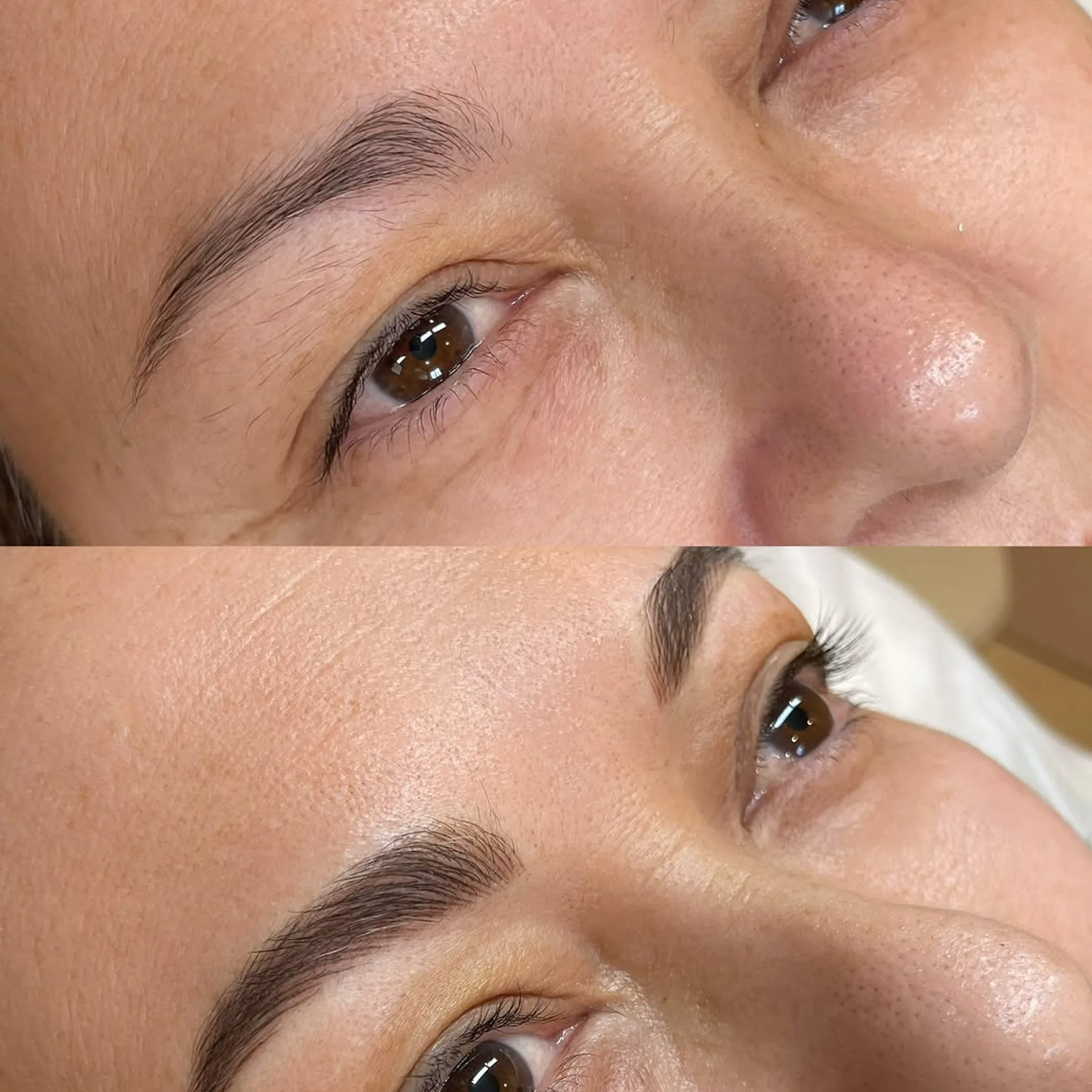
People put themselves in a flap because they do not see healing as a linear process. Put in fresh permanent makeup service and it is going to be sharper, darker and a little swollen before you get to the scabbing, peeling and ghosting. Then the colour settles and you see the real result.
Do not be fooled by the finished appearance on the day of your treatment. Be it a lip blush or powder brows, let the skin have its time to shed and calm down before passing judgement.
Who Should Read This
If you are in Australia and have had or are due for some cosmetic work to the brows or lips, this is for you. Those with outdoor jobs, a gym regimen or school pick-ups to contend with will find it helpful; the brochures make aftercare sound easier than it is with those kinds of lives.
On the other hand, if a technician has put you on a modified plan on account of your skin or immune status, or a clinician has been very specific with medical instructions, then their word is law and this may be of less use.
Healing Timeline Overview
You will find the pattern much the same with any permanent makeup service, though skin type, depth of pigment and the weather will dictate the pace. Not to mention whether you stick to your aftercare or feel compelled to do a deep-clean of the house. Here is a day by day summary you can put to use.
For the majority the first 10 days are the most trying cosmetic phase; the subtler business of the pigment settling in follows in the weeks after.
| Stage | Typical Timing | What to expect | Course of action |
| Fresh Phase | Days 1–2 | Tenderness, swelling, bold colour and lymph fluid | Leave it alone and keep dry, barring approved aftercare |
| Crusting Phase | Days 3–7 | Darker, tight and itchy with some scabbing | Resist the urge to pick or soak |
| Peeling Phase | Days 5–10 | Uneven tone and flaking | Allow to come off on its own |
| Quiet Phase | Week 2 | A dull or faded look | Common enough, have patience |
| Settling Phase | Weeks 3–6 | Softer healed pigment makes its return | See to your SPF and check retention |
| Assessment Phase | Weeks 6–12 | The outcome is stable | Time for a touch-up if you have one put in |
One has to consider the local context. The ABS regional population data tells us plenty of Australians are in high-UV or coastal areas. Between the sweat, salt water and commuting, being careless with your aftercare can be detrimental.
Days 1 To 2
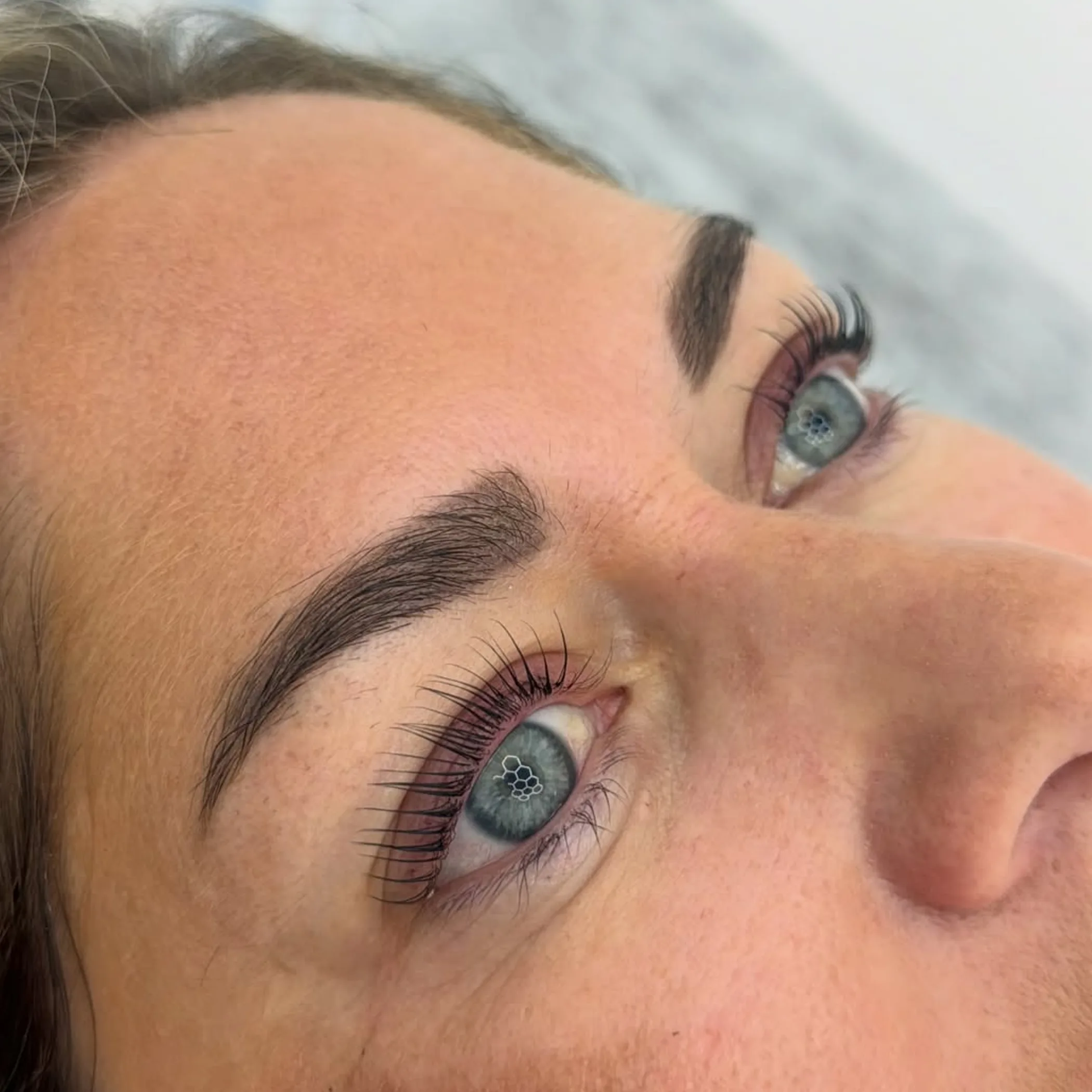
Swelling and warmth are to be expected in the first 48 hours along with a colour that is too dark, particularly on the lips and brows. Fresh pigment and a bit of trauma will produce that effect.
Some people make the mistake of wanting to scrub the area or put on copious amounts of moisturiser to “help it along”. That is not what is called for. Fresh work calls for restraint.
Fresh Brows And Lips
With powder brows in particular the shape is going to be quite crisp and intense in the opening days. A powdered or blockier finish is part of the healing for powder brows in the beginning, only to be softened in time.
The lip tattoo will put on more of a show with swelling than your brows do. Lips have a way of feeling warm and dry and appearing brighter than one would put it down to. Those who have been through a lip blush before are familiar with the colour’s rather cheeky confidence at first; eventually it subsides.
Immediate Care
Stick to the cleaning method and products of your technician’s choosing. While some artists will have you blot gently and leave the area to it, others are fine with an approved balm in moderation once enough time has passed. There is no point in heeding the kind of general advice found on the internet when technique dictates the routine.
Say you have a day to get ready for your appointment: put the gym and beach plans aside, make sure your hands are clean and see to transport if you are having your lips done and are not comfortable with that. One does not want to be touching one’s face in a Fremantle wind while making the school run or parking, so give those things due consideration.
Days 3 To 10
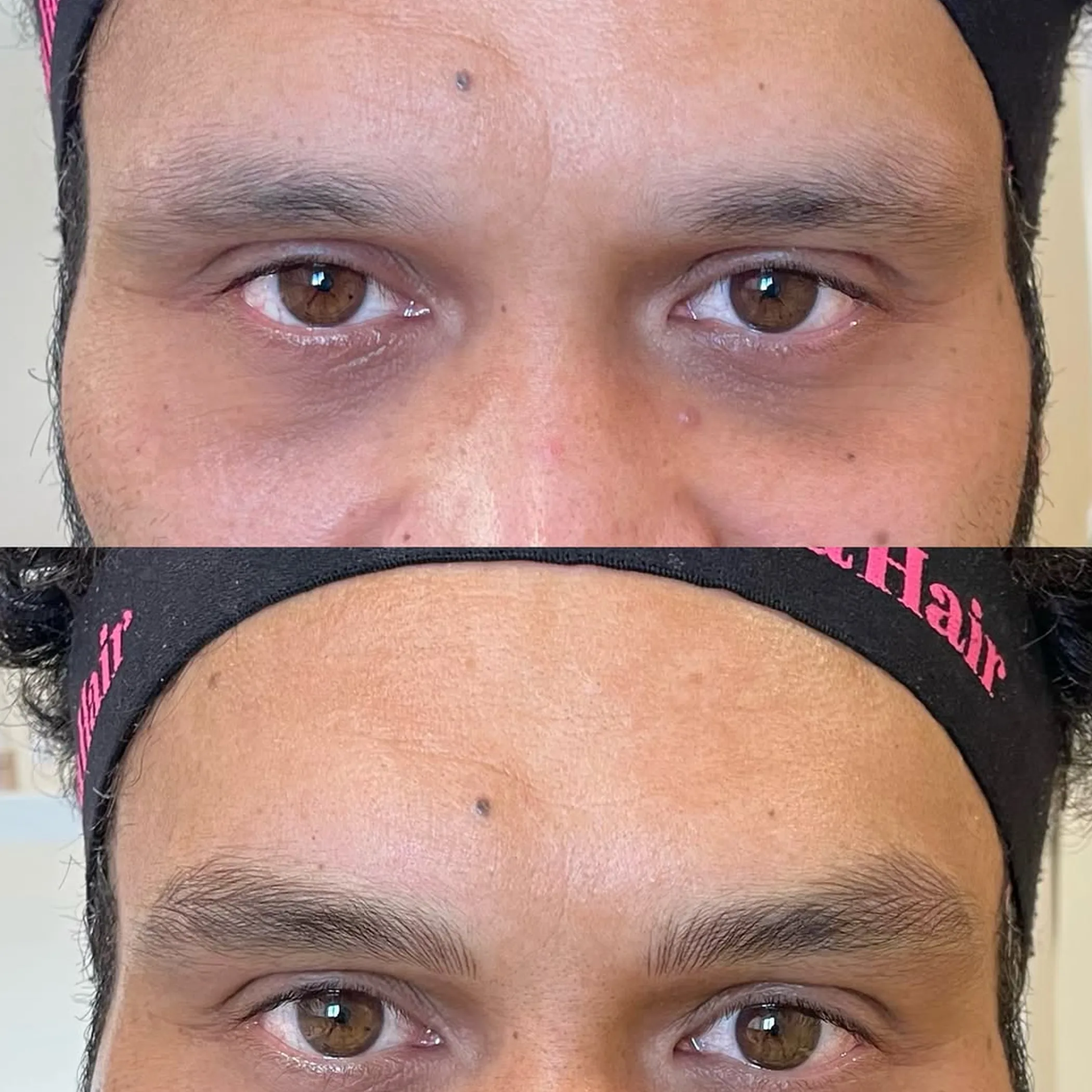
People tend to get in a panic and message about this stage. Scabbing and peeling set in, there is itching and the fading can be uneven, leading to the belief that something is amiss. In truth your skin is just being skin. I have had clients who have made light of the treatment and then nearly ruined the outcome here. Picking is what does it. Get at the flakes too soon and you will have patchy pigment to show for it and irritation to boot.
The Regret Phase
Then comes the regret phase, as permanent makeup healing goes. Brows may turn dark and dry before going patchy, eyeliner will not look even until the skin is done with its antics, and lips can be flaky and dull. Technicians will tell you not to be hasty in your judgement for good reason.
For the most part days 3 to 10 are the worst of it. The work is neither fresh nor yet healed, you are in an in between. It is akin to putting up with toast for two weeks while the kitchen is being done in.
What Catches People Out
The weather in Australia is a troublemaker of sorts. Between the UV and sweat from a hot Saturday at junior footy in the full sun, or a swim in the ocean, dusty worksites and spring hay fever, retention can be lost by a client who has otherwise been diligent indoors.
- Scrubbing or picking at scabs is not to be done.
- Neither is soaking in the bath, pool or ocean.
- And unless your technician gives the go ahead, keep active skincare like retinoids and acids away from the area, as well as any make up.
- Fading is not a sign of failure, ghosting is what follows.
Weeks 2 To 6
Patience is warranted. The surface will be calmer but you might think the colour has gone. It is called ghosting and it puts people in a tizzy every year. The pigment is starting to take hold under the skin but colour settling is not as quick as you would think, so an early touch-up is of no use.
Ghosting And Return
In week 2 the brows are at their lightest. The top layer is gone but the pigment has not fully put in an appearance. They can seem greyish or soft, the lips pale. Do not imagine they have gone to the bush.
A more stable tone is to be expected from week 3 on. What you end up with is softer and better integrated with the skin than on day 1. Four to six weeks will suffice for an accurate review of retention for the most part, though some will see further refinement.
Stability
Six weeks is a reasonable window for a healthy adult to make an assessment, a little longer in some cases. That is why a technician will book a touch-up after the initial cycle is over instead of getting to work prematurely.
And if asked what the best season is for your eyebrows to recover, I will point you to the part of your calendar where you are not in the sun or sweating, not the month that looks best on paper. If you are an outdoors person in much of Australia and put in hard exercise or time in the water at weekends, you will want to stay clear of the height of summer.
Some Aftercare
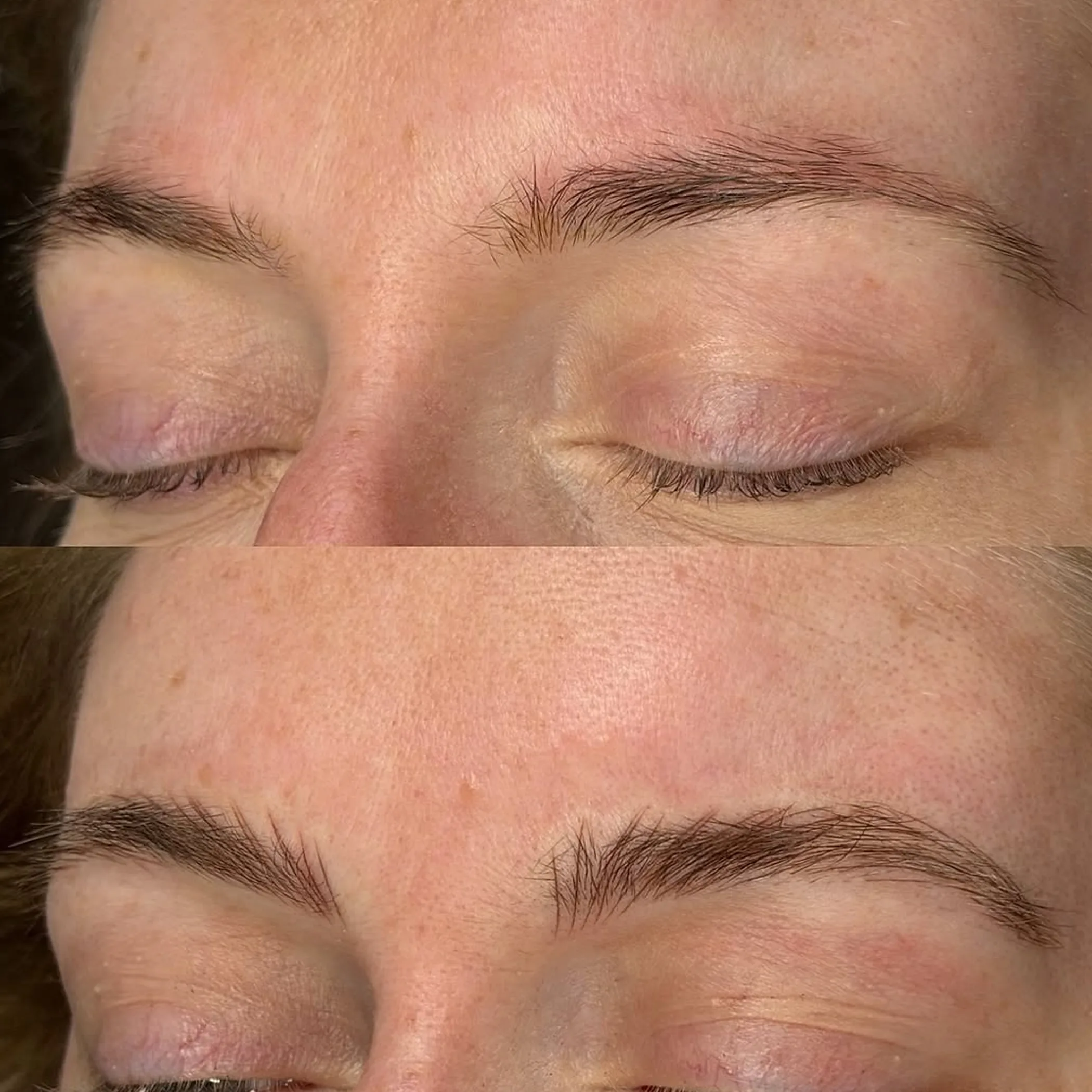
There is nothing very glamorous about aftercare, yet it will have a greater bearing on the quality of your healing than the treatment did. The objective is to put no impediment in the way of the skin closing while you protect the area and preclude any chance of infection or irritation.
It is also an area for unnecessary expenditure. Forget the array of wonder products in the bathroom; what is required is some discipline and clean habits as per your technician’s instructions.
Do’s and Don’ts
In my experience with treatment schedules, clients are apt to put the maintenance out of mind and recall only the more stimulating aspects. Make your routine rather uneventful for a few weeks. It is good to be dull, it yields results.
- Heed the cosmetic tattoo aftercare your technician lays down to the letter, do not let the fact that a friend healed in another way sway you.
- Shun friction from pillow rubbing, helmets, hats and towels and keep the place clean.
- If at all possible in the early stages of healing, put off long sweaty sessions, saunas and hard training.
- When the skin has closed and your technician deems it so, put on SPF to stave off UV which will hasten the fading of pigment.
- And hold off on active ingredients, fake tan, makeup and anything with fragrance until it is safe to use them.
Practicalities and Cost
You will find the cost of aftercare is modest in comparison to the procedure. Down under one might put out a bit of money for a balm of the technician’s choosing, to rotate the pillowcases, a cap for shade when permitted or a rideshare home should lip work have left one feeling puffy. Be practical.
If time is short, make sun and sweat management your priority. They are more of a nuisance than most would think. As for editing your own aftercare because you saw it on TikTok, do not bother with that sort of thing.
The Australian Climate
One does not heal here as one might in some low-UV climate abroad. We have our share of heat and humidity, sport and beach culture to complicate recovery, and in the dry inland even the lips can get flaky and tight.
A local perspective is called for. A client in humid Brisbane will have to contend with stickiness and perspiration; in Perth it is the wind and salt air and the strength of the sun. The treatment is the same but the headache is not.
Then there is the matter of the season.
With the UV, swimming and in some parts bushfire smoke, summer is hardly conducive to the healing of new brows or lips. Winter is less of an issue for many, with fewer inclinations to head to the coast and less sweating. But there is no one size fits all. In the Top End the wet season means more sticky skin, while in the south winter may be better for healing but worse for dry lips. Book for a fortnight when you are at your calmest.
Artists You Will Encounter
Put in some research and you will see the likes of Supreme Permanent, Tina Davies, Olha Po, Tinted Love, Get Blys, Preah Love, Feather Clinic, Skin Art Training, Cosmetic Tattooing Brisbane and others. I put them in for the sake of industry familiarity and how searches run, not to endorse them wholesale.
What is of consequence is if the technician is forthright on when to book a touch up for your case, provides sound aftercare and realistic expectations, and does a patch test where indicated. More so than a well put together social media presence.
Touch-Ups
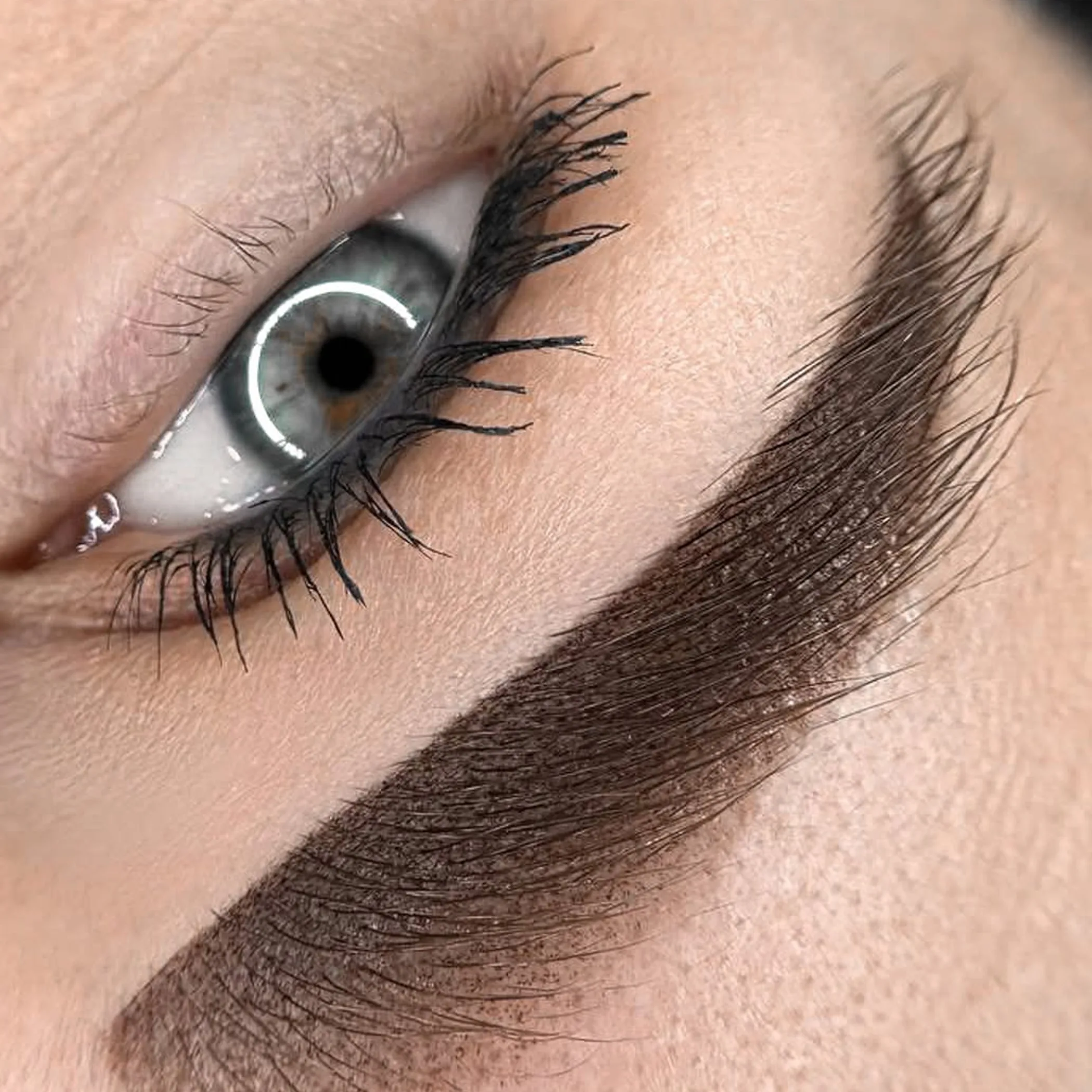
Consider a touch-up part of the course of events in Australia, not a sign of failure. There will be uneven retention or lighter spots once you have healed, it is normal and something to talk about before booking. Let the skin show its true pattern first; most are told to wait a few weeks to see how they have done.
Booking Window
Six to eight weeks is the norm for a touch-up following your initial session, although an artist might have a more generous range in mind to account for how fast you heal or the nature of the treatment. This is when one can see the colour has settled and the surface is mostly healed.
Make allowances for it if there are weddings, school photos, a beach holiday or work function on the horizon; put that down at the outset. I would be pragmatic about it and put in time for the first appointment, let it heal, then have a second session as a buffer before anything important. To leave it to the eleventh hour is to invite stress.
Help When You Need It
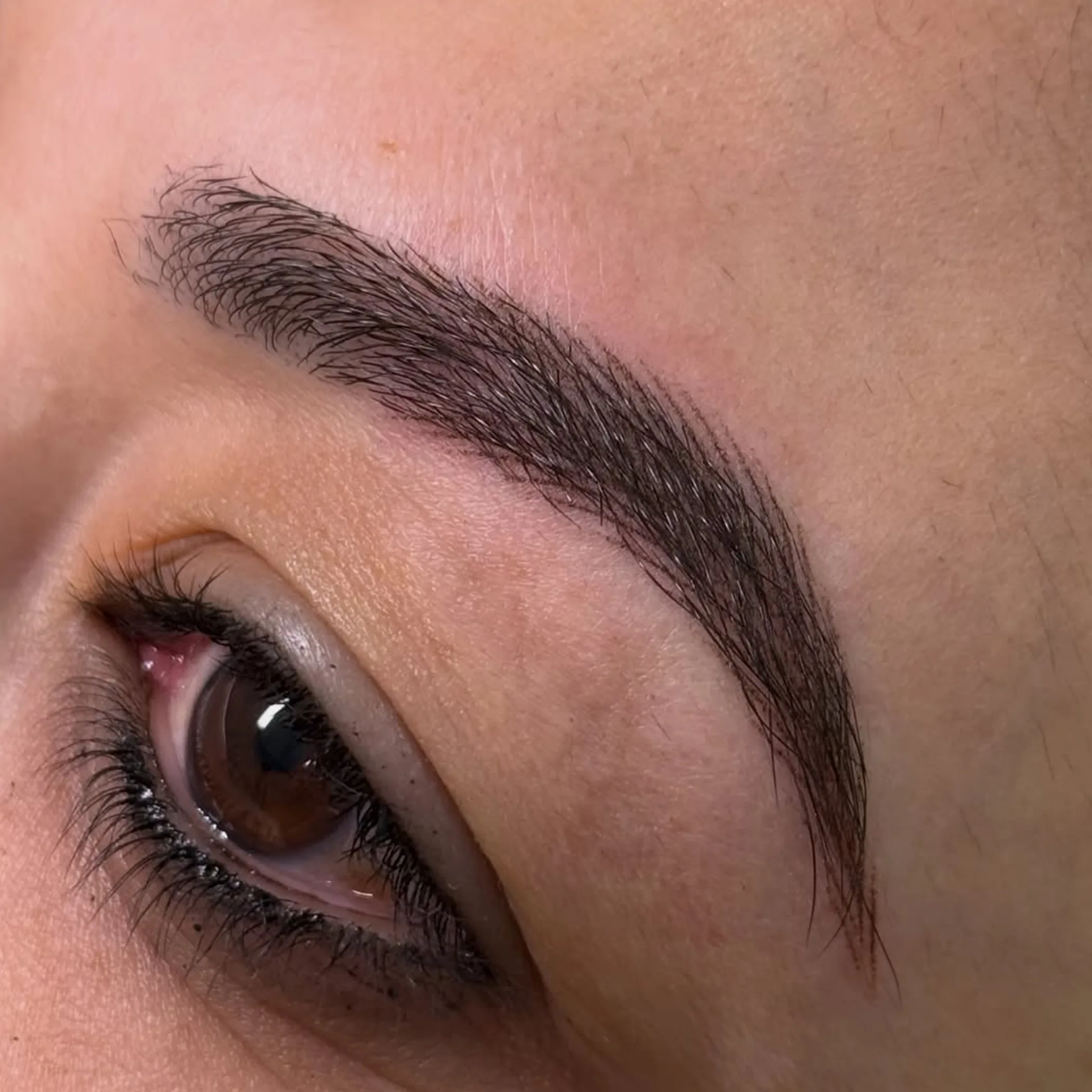
You will find some redness, flaking and tenderness in the course of things. What you should not have is any fever, pus, a bad odour or pain that is on the increase, to say nothing of redness that is spreading. Telling the difference between infection and routine healing is of more consequence than any colour issue.
You do not want to be reading this section but it is good to get through while you are composed and not at 10.30 pm with the bathroom light on and a magnifying glass to your eyebrows.
What Is Normal And What Is Not
Mild swelling, a tight or dry feeling, itching, ghosting, some patchy peeling and a temporary darkening are all normal. Worsening heat, skin that is getting angrier instead of calmer, throbbing or discharge of a yellow or green hue are not. Neither is severe swelling once the first few days have passed.
Should you see signs of infection, put in a call to your technician without delay and take medical advice. In Australia the Therapeutic Goods Administration is an official source for consumer health and medicine safety. But if you are unwell or the symptoms warrant it, a GP or urgent care is to be preferred over waiting on the salon to text back.
Some Answers
For those times the mirror is being unkind, here are short answers to what is asked of me most often. Any panic can wait, though there is seldom cause for it.
Permanent makeup: how long for complete healing?
In the main, 7–14 days for the surface, but allow 4–6 weeks for it to fully settle. With some aftercare and skin types, clients will see refinement for 8–12 weeks.
Show me some lip blushing pictures?
Not from my clinic in this format. A good technician will have examples of lip blush healing in its various stages and on different complexions, not only the fresh kind. Request to see day 1, week 1 and the healed outcome.
The worst of the tattoo healing?
Days 3 through 7 for a lot of people. The scabbing, peeling and regret come to a head then, particularly with an eyebrow or lip tattoo.
Things to avoid
Leave it alone, do not pick or scrub, no active skincare unless you have been given the nod, and do not soak the area or put yourself in the sun or heavy sweat too soon. It will compromise the healing and retention.
Is patchy colour a concern?
Not until after week 6, when you would expect it to look even. Before the review window there is no need to worry over peeling or ghosting. More so if there is discharge or irritation.
A word from Thalia Harris
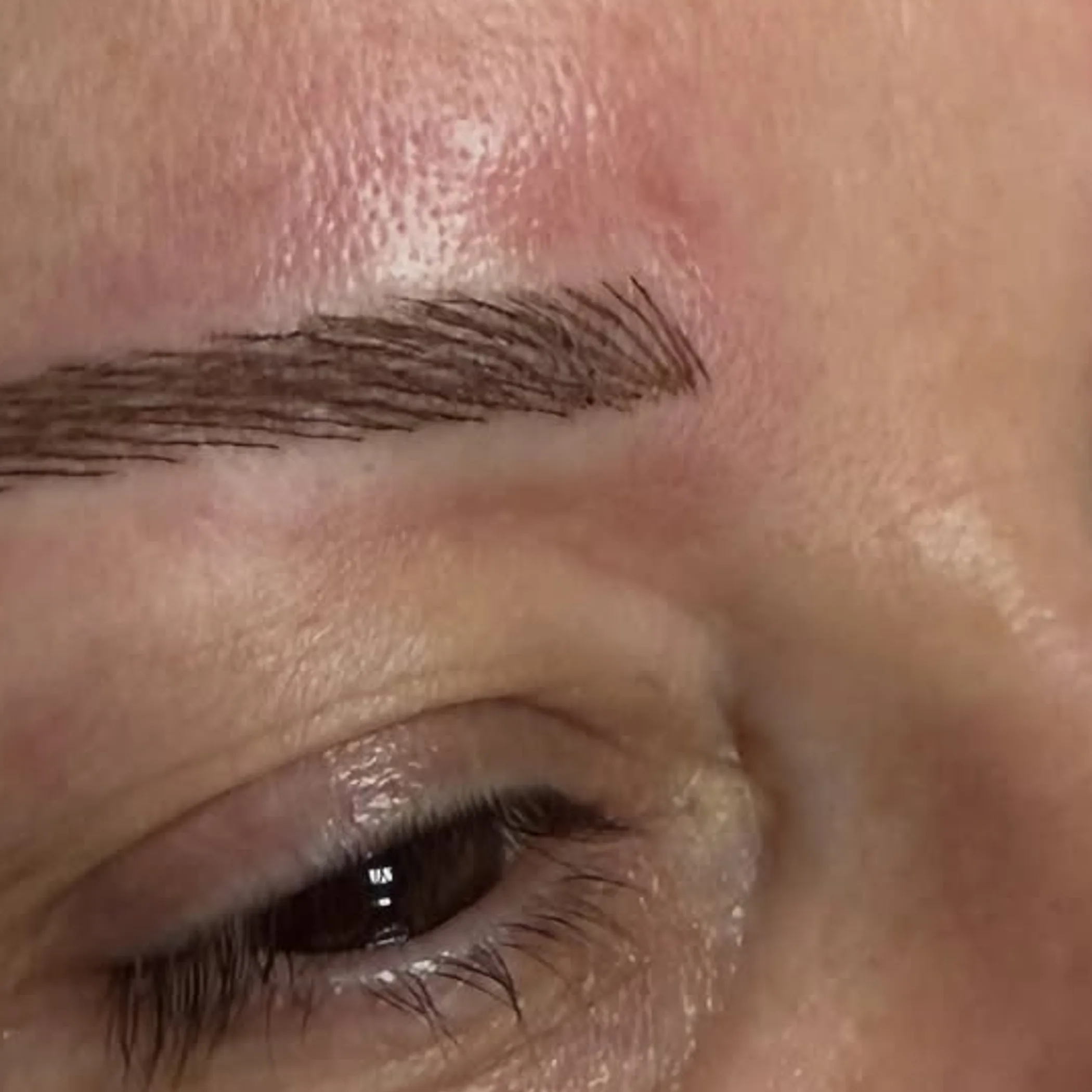
Take away this: permanent makeup is a process, you do not get a reveal in a day. Swelling, scabbing, peeling, ghosting and the like are part of the healing and quite normal.
Have some patience, heed your technician and be sensible in the sun. Do not have a couple of coffees and book in three weeks to a tropical getaway on a whim. Your skin will be calmer and the healing better for it if your schedule is not as crowded as sardines.
